
Property decisions
Good Debt, Bad Debt: Why Your First Property Might Not Be Your Home
If you are stuck on buying first home vs investment property, here is my short answer: neither order is automatically right. A home gives stability and first home buyer help. An investment brings rent and tax-deductible interest, and costs you that help. For people in their twenties and thirties choosing their first purchase, this sets out both cases. It belongs to my wider set of property decision articles.
 By Aimee TemplemanAbout 7 minutes

Good debt, bad debt
Bad debt buys something that loses value or earns nothing, like a car loan or a credit card balance. Good debt buys an asset that earns income, grows, or both, like an investment property. A home loan sits in between: it builds equity, but the interest is not deductible.
First, I am a property coach, not a financial adviser. Good debt, bad debt, deductibility and depreciation are long-established ideas, not mine. How they apply to your income and tax needs a licensed adviser and a good accountant. My job is to give you the framework so those conversations go further.
With bad debt you pay interest and end up poorer: the asset shrinks or disappears. With good debt you still owe the bank, but the asset works alongside you. An investment loan is the classic case. The tenant's rent helps service it, and the ATO allows a deduction for interest on money borrowed to buy a rental.
Your own home is the middle ground. You build equity and stop paying rent, both real gains. But it earns no income, you repay it from after-tax salary, and the tax system gives you nothing for the interest. That difference, debt the system rewards versus debt it ignores, is what makes an investment structurally different. It does not make it better, just worth understanding.
Home or investment first?
Buy a home first if you are ready to settle somewhere and want the stability and first home buyer help. Consider investing first if you want to stay mobile, rent where you love, and use rent and deductions to carry a property elsewhere. Your income, location and life stage decide it.
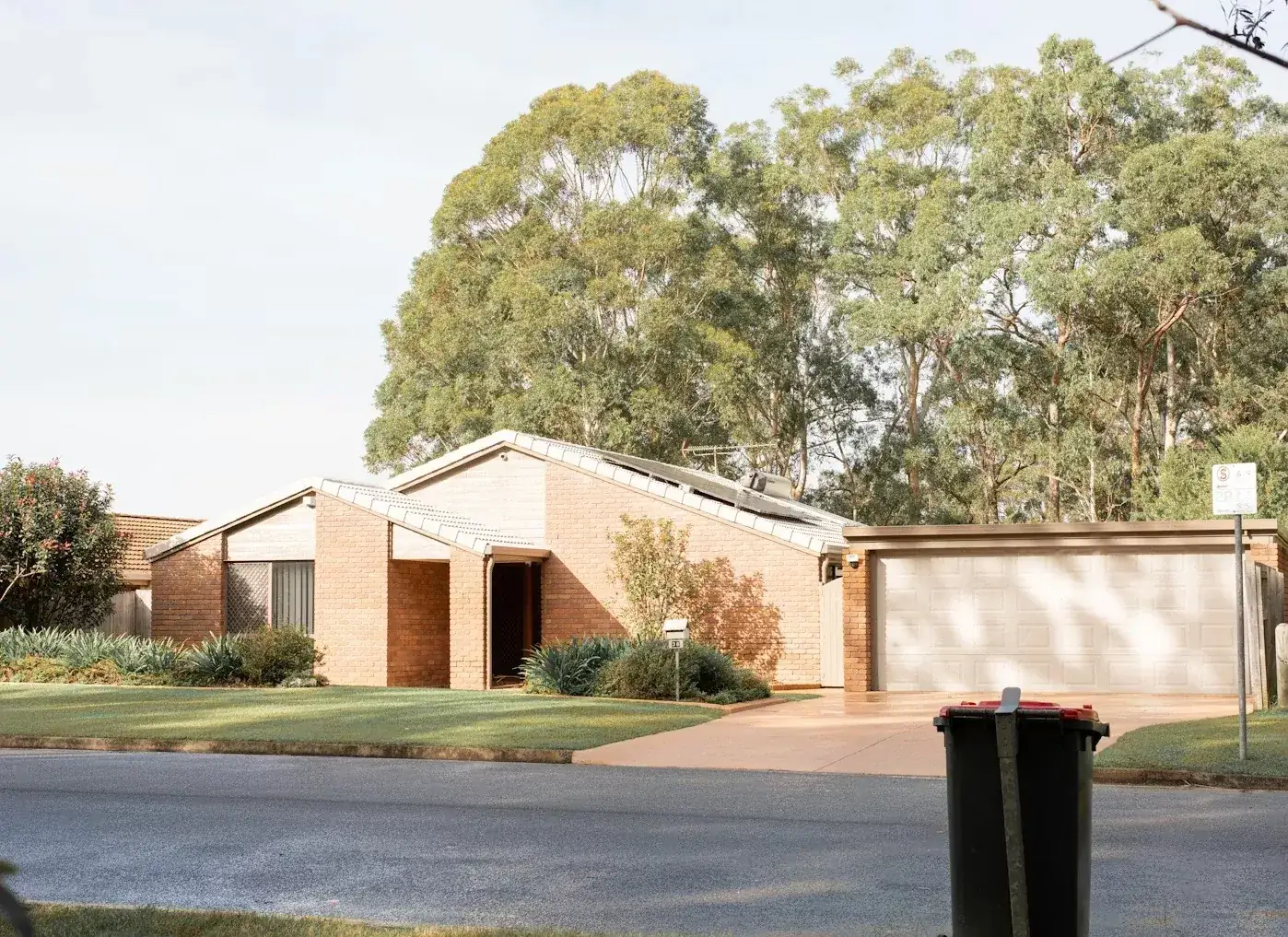
The case for home first is strong and I want to say so plainly. You cannot be moved on by a landlord. And first home buyers get help investors never see, such as the 5% Deposit Scheme, which removes lenders mortgage insurance for eligible buyers, plus state duty concessions.
The case for investing first rests on deductible interest, rental income and, for new builds, depreciation. The ATO allows capital works deductions of 2.5% a year on the construction cost of a modern home, and since 2017 buyers of established rentals generally cannot claim used fittings. The 2026 Budget tilted things further: from 1 July 2027, only new builds can offset losses against wages for purchases made after 12 May 2026.
Here is the same 25-year-old twice. Both earn $95,000, have $50,000 saved and rent a place they love for $450 a week.
| Sam buys a home | Jordan buys an investment | |
|---|---|---|
| Purchase | $500,000 home to live in | $500,000 new build to rent out |
| Insurance on a 10% deposit | No LMI if eligible for the 5% Deposit Scheme | LMI usually payable below 20% |
| Repayment on $465,000 at 6.2% | About $2,850 a month, all from salary | About $2,850 a month, helped by rent |
| Rent | None paid or received | About $430 a week in, $450 a week out |
| Interest and depreciation | Not deductible | Deductible; amount needs a depreciation schedule |
| First home buyer help later | Used now | Usually lost for years |
An illustration from my July 2026 article, updated October 2026. The 6.2% rate is an assumption, and rates have risen since. At $95,000, the 2026-27 marginal rate is 30% plus Medicare (ATO).
Jordan's path has a cost people skip: owning any property usually ends first home buyer status, so the scheme Sam used may not be there later. I cover that trade-off in rent is dead money, unless someone else's is paying yours.
Deciding which comes first
Decide by checking your motive, your understanding of both structures, and who you have asked. If you can answer these three questions clearly, you are ready to choose. If any gives you pause, that is where the real conversation starts.
- Am I buying this because it fits my strategy, or because it is what I am supposed to do?
- Do I understand both structures well enough to compare them honestly?
- Have I asked a financial adviser and an accountant, not only a broker, which suits my income, tax and goals?
What I push back on is the idea that home first is obviously right and investment first is reckless. For some people in their twenties it is the other way round.
We work through both structures against your numbers, then you choose.
Asked about debt
First property, answered
General answers to the questions I hear most from first buyers choosing an order.
Read next
What is the difference between good debt and bad debt?
Bad debt pays for something that loses value or earns nothing, such as a car loan or credit card spending. Good debt buys an asset that produces income or tends to grow, like an investment property, where the interest is usually deductible. A home loan sits between the two: it builds equity, but the interest is never deductible.
Should I buy a home or an investment property first?
Both can be right. A home first offers stability, no landlord and first home buyer help. An investment first offers rental income, deductible interest and the freedom to rent where you want, but usually ends your first home buyer status. Your income, tax position and readiness to settle decide which fits. An adviser and accountant can model both.
Why do investors favour new builds?
New builds attract capital works deductions of 2.5% a year on construction cost, and new fittings can be depreciated, whereas used fittings in established rentals generally cannot. From 1 July 2027, new builds also keep negative gearing against wages for purchases made after 12 May 2026. They carry their own risks, such as build quality and delays.
Do I need a financial adviser to buy an investment property?
It is not a legal requirement, but it is wise. Deductibility, depreciation, capital gains tax and land tax all depend on your circumstances. A licensed adviser and accountant can model whether investing first suits you, a broker handles the loan, and a conveyancer handles the contract. Coaching helps you ask each of them better questions.
Talk it through
Choose the order on purpose
Start with the free 15-minute quick chat. Tell me which way you are leaning and why, and we will see whether coaching helps.
What to expect
- A conversation, not a pitch
- Questions about your plans and numbers
- An honest view on whether I can help
The Continuum Pathway provides coaching. It isn't counselling, psychology or a crisis service. If you need urgent support, call 000 or Lifeline on 13 11 14. General information only. It is not personal financial, legal or tax advice. Speak to a licensed professional about your circumstances.