
Property decisions
Buying Alone, Not as a Backup Plan
Buying property alone can be a deliberate strategy rather than a consolation prize. One income lowers your borrowing ceiling, but you make every call and you keep every dollar of equity. I wrote this for single buyers, people whose partner is not ready, and anyone starting over on one income. You will find related pieces in my property decisions library.
 Written by Aimee Templeman6 min read
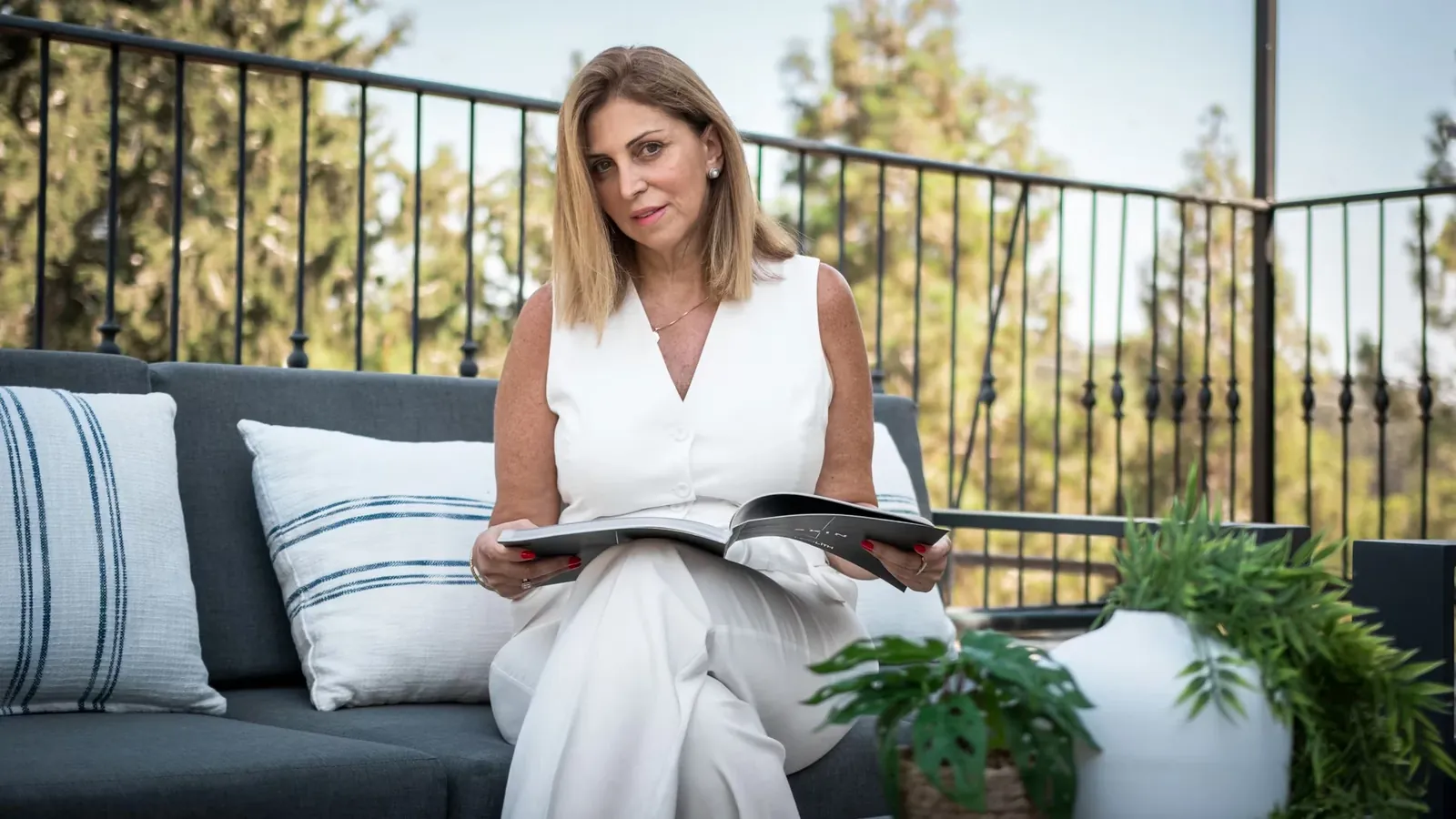
Buying property alone as a choice
Buying alone works best when it is treated as a strategy, not a fallback. A single income means a lower ceiling, but every decision is yours and so is all of the growth. Plenty of capable people do it well, and the numbers say they are far from rare.
There is a version of the solo-buyer story with a slightly sorry undertone, as if buying alone were a participation ribbon for not having a partner yet. That is not the story I see. The solo buyers I work with have partners who are not ready, or they prefer it, or they have done the sums and realised that buying with the wrong person, or waiting for the right one, carries a cost nobody puts on the spreadsheet.
Sources: CommBank, 12 March 2026; ABS Household and Family Projections, which project lone-person households at 26% to 28% by 2046.
What you gain is authority. Two buyers bring two risk appetites, two views on timing and endless debate about suburbs and school zones. Many joint purchases stall on that, not on finance. A solo buyer moves when the numbers and the timing are right.
What buying solo takes
It takes a realistic borrowing figure, a deposit plus purchase costs, a buffer for months when your one income stops, and people who explain rather than push. Borrowing is the real hurdle, but lenders assess your income and debts, not your relationship status.
The ceiling is often higher than people expect if you save consistently, carry little debt and have a stable work history. Before you apply, pay down car loans and personal debts, cut credit card limits you do not use, and find a broker who has handled single-income applications. Lenders present and assess one income differently, and a good broker knows where.
Then plan for the risk that matters most: losing your income with nobody to share the repayments. My own rule of thumb is three to six months of repayments sitting in an offset account before you buy. Income protection insurance is a conversation for a licensed adviser.
| Help available | What it means for a solo buyer |
|---|---|
| 5% Deposit Scheme | Buy a home to live in with a 5% deposit and no lenders mortgage insurance. Individuals can apply whatever their relationship status. No income caps since 1 October 2025, but price caps apply, such as $1.5 million in Sydney and $950,000 in Melbourne. Single parents can start from 2%. |
| First Home Super Saver | Voluntary super contributions of up to $15,000 a year and $50,000 in total, plus earnings, released toward a first home you will live in. |
| Duty and grants | Set by each state. In NSW, first home buyers pay no transfer duty on homes up to $800,000 (Revenue NSW). Victoria pays a $10,000 grant on new homes up to $750,000 (SRO Victoria). |
Checked against official sources in October 2026. Rules and caps change, so confirm with your lender or state revenue office before you budget.
Deciding when you are the only signature
Ask what you can buy now that sets up your next decision, not what the perfect home looks like at the edge of your borrowing. A first property on one income opens the game. It does not need to be the most impressive move on the board.
The solo buyers who do this well are not chasing a forever home on one salary. They buy something that works: a unit in a suburb with steady rental demand, a townhouse where infrastructure money is committed, a smaller place in a market they have researched themselves. The ideal home can come later, built on the equity of the first.
You may also hear, spoken or not, that you should have waited. For a partner, for the right moment. Waiting for circumstances that might never arrive is a financial decision too. It is no reason to rush a purchase that does not stack up, but it is a reason to take your own timeline seriously.
Being alone at the table makes your team matter more. A broker who knows single-income lending, a conveyancer who explains before asking you to sign, and someone who earns nothing from what you buy and can stress-test the decision with you.
For many people it is the first big financial call made alone. It deserves some structure.
Solo buyers ask
On one income, answered
The questions I hear most from people buying alone, in general terms. Your broker can put your own figures against them.
Can I buy a house on a single income in Australia?
Yes. Lenders look at your income, living costs and existing debts, not whether you have a partner. One income usually means a lower limit, so the property may be smaller or further out. A broker who has handled single-income applications can tell you where your real ceiling sits.
What deposit do I need as a solo buyer?
Around 20% avoids lenders mortgage insurance with most lenders. Eligible first home buyers can use the 5% Deposit Scheme, which removes that insurance for homes under the local price cap, and single parents may start from 2%. Remember purchase costs such as conveyancing on top of the deposit.
What happens if I lose my income while repaying a solo mortgage?
This is the risk to plan for first. A buffer of several months of repayments in an offset account buys time, and lenders have hardship processes if circumstances change. Whether income protection insurance suits you is a question for a licensed financial adviser, not something to guess at.
Can I buy property on my own if I am older?
Yes. Lenders weigh your income, how you would repay and how the loan term sits against your working life. Later buyers often choose a shorter term or a larger deposit to make the numbers work. A mortgage broker can show what that looks like for your age and income.
Read next
Your call, with support
Decide it on your terms
Bring your numbers, or just the question, to a free quick chat of around 15 minutes. We work out whether coaching would help, with no obligation to go further.
Handy to bring
- Your income and any debts, roughly
- What you have saved so far
- Where you would like to live
The Continuum Pathway provides coaching. It isn't counselling, psychology or a crisis service. If you need urgent support, call 000 or Lifeline on 13 11 14. General information only. It is not personal financial, legal or tax advice. Speak to a licensed professional about your circumstances.