
Client decisions, published with consent
Case Studies
The Continuum Pathway case studies on this page are real client decisions, shared with each client's agreement: two first home buyers, a separated mother rebuilding, and clients buying the place they plan to retire to. Each one shows how the decision was approached, not only what was bought.
I'm Aimee Templeman. Names are left out and situations kept, and every case ran on the same five phases as my decision coaching across life, career and property, start to finish.
The four cases
- Narangba, QLD. A first home at 24, with his mother's equity as security
- Rouse Hill, NSW. A first property at 18, without a cash deposit
- Kellyville, NSW. Buying again after separation while the children stayed put
- Port Stephens, NSW. A retirement home that earns rent in the meantime
How to read them
Real decisions, real outcomes
Every case here is a real client, and each is laid out the same way: where they started, how the decision was worked through, what changed and where they finished. The point is the quality of the decision. A good purchase is the by-product, not the headline.
Starting point
The situation
Age, savings, family support and what the client believed was possible before we met.
The work
The approach
Position, borrowing capacity and long-term goals, always worked out before any property.
The shift
What changed
The moment the decision became clear, and the reframe that usually caused it.
The finish
The position
Where the client stood at completion, with figures as they were reported at the time.
Every case starts in the same place, with questions rather than a perfect deposit. What makes the difference is not luck or timing. It is how the decision is approached. Each case is tagged with the phases it moved through, so you can see the framework at work.
All four published cases so far are property decisions, because that is where the practice began. Life, career and rebuilding cases will be added only when a client agrees to share one. Nothing on this page is a composite or an illustration.
Property, starting out
First home buyers
Both first home cases involved a young buyer, a parent willing to help with equity rather than cash, and a plan built before any listing. In each, protecting the parent's position mattered as much as getting the child into the market.
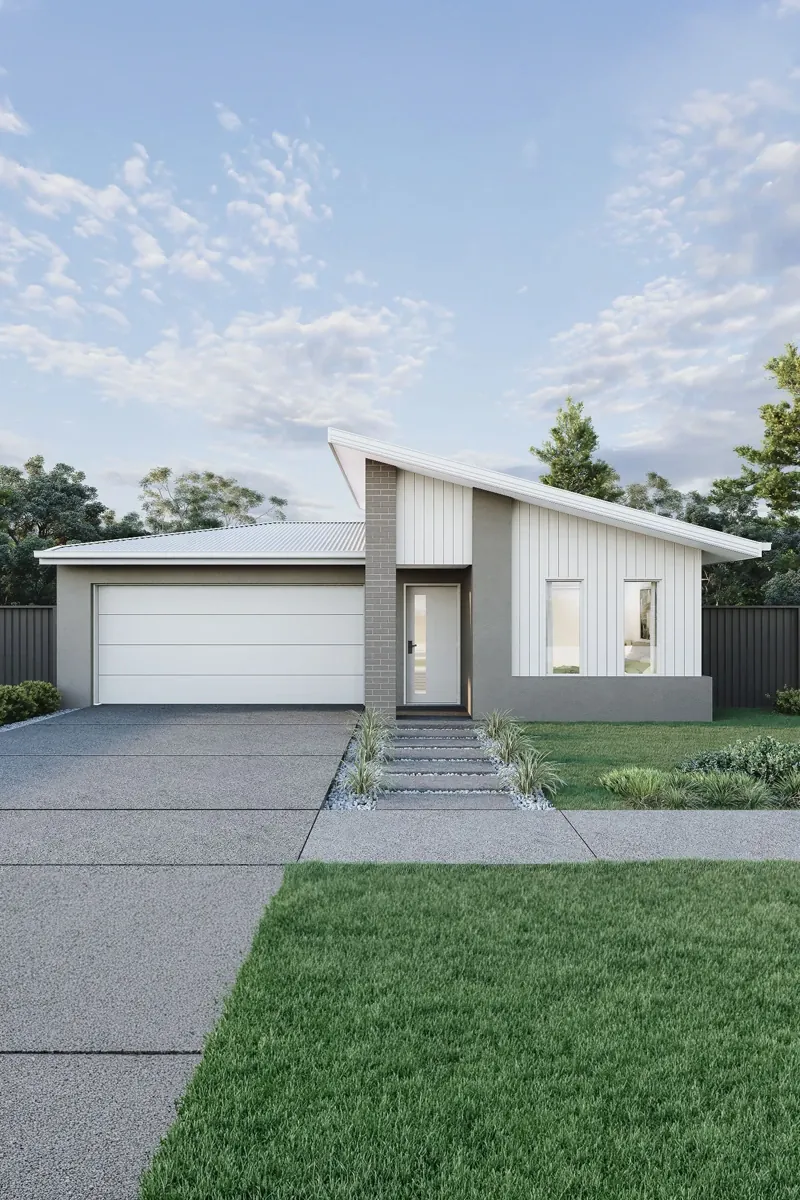
I had only $20,000 saved and honestly thought buying was still years away. I was shown exactly how I could get into the market without overstretching and I was guided through my budget first, what I could afford, where I could be smarter with my money. What mattered most was how stress-free the process turned out to be. There was never any pressure.
24-year-old first-home buyer, Narangba QLDNarangba, Queensland
He thought he was years away from buying. He wasn't.
Client: 24, male, $20k saved, mother as security, deposit March 2025. Phases: Clarity, Direction, Decision.
A strong income, a modest savings balance, and a firm belief that ownership was still a long way off. He also did not want to make a hurried or poorly informed call just to get in.
We started with the numbers that sat behind the belief: his real financial position, what a lender would likely allow, and what he wanted the property to do for him over the next decade. Then, with his family, we looked at whether guarantor security could work without putting his mother's own finances at risk. That question had to be answered for both of them before anything else moved.
Once he could see his own position clearly, the route was simple. He secured a property that matched both his capacity today and his longer plan, without stretching or guessing. For his mother, understanding how her equity could be used safely made the decision feel considered rather than pressured.
Individual circumstances and results vary. General information only, not financial advice.
Rouse Hill, New South Wales
She didn't have a deposit, but she wasn't without options.
Client: 18, female, mother as security, deposit December 2024. Phases: Clarity, Decision, Stability.
A young buyer who wanted to get into the market but had nothing like the savings a deposit normally needs. The opportunity existed. Without a plan, it felt out of reach.
Before a single property was considered, we mapped her financial position, borrowing capacity and long-term goals. With her family we then explored how equity could be used in a way that was practical and responsible, so the decision worked for everyone involved, not just for her.
The aim was an entry she could sustain. She secured her first property while continuing to build her savings, instead of waiting years or taking on risk she could not carry. Her plan also set out two years of guided saving and mortgage discipline.
For her mother, the decision was about helping without weakening her own position. Understanding the boundaries, risks and safeguards is what let her say yes. Coaching for buyers at this stage is described on the first home buyer coaching page.
Individual circumstances and results vary. General information only, not financial advice.
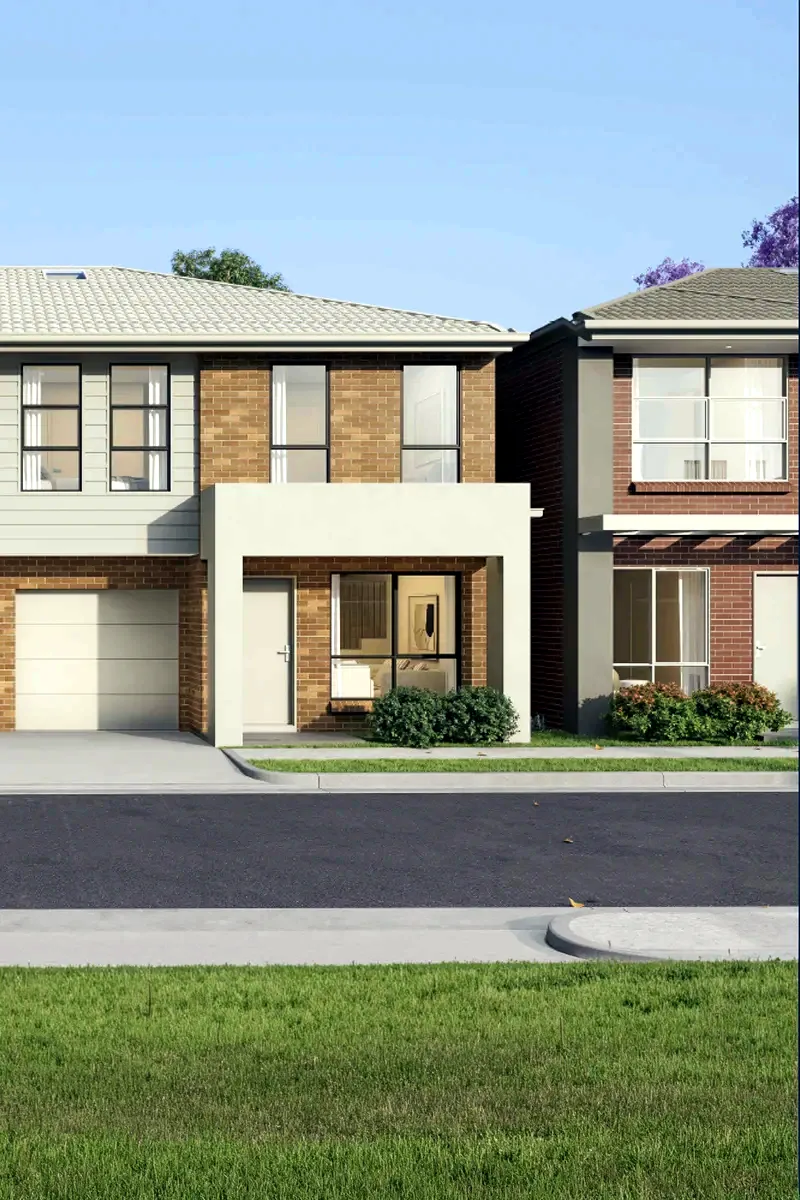
As a parent, I wanted to help my daughter without putting my own financial future at risk. I didn't have cash to give her, but I did have equity. I just wasn't aware how to use it safely. What made the difference was understanding exactly what was possible, what the risks were, and how everything would be structured before making any decision. She secured her first property at 18, and I felt confident every step of the way knowing it was done properly.
Parent of an 18-year-old first-home buyer, Rouse HillProperty and rebuilding
Rebuilding after separation
After her separation, a 38-year-old mother in Kellyville refused to unsettle her children. Coaching separated where she lived from where she invested: she kept renting locally for stability and bought an investment in a lower-entry market with part of her settlement.
Client: 38, recently separated, $1.5M settlement. Phases: Clarity, Direction, Decision, Stability.
She had made one thing clear from the outset. The children would stay near their school, friends and routine. Financially, though, she felt stuck. Buying locally was not realistic on one income, renting long-term felt like losing ground, and buying in a rush just to own something again held no appeal. She had options. What she lacked was a clear way to weigh them.
Her own words, quoted on this page, named the blocker. So we reframed the decision. She did not need to buy where she lived. She needed a plan that gave her both stability and progress. She continued renting in Kellyville, put part of her settlement to work rather than all of it, and bought a four-bedroom, two-bathroom home in the Newcastle region, with the loan set up conservatively around her new position.
She came back into the market with confidence, kept the children's lives steady and preserved a large share of her settlement. As I summed it up in the original write-up: "We didn't force a perfect scenario. We built one that worked for her." The wider work is described under rebuilding your life after separation, burnout or major change, and the property side under buying property after separation or divorce.
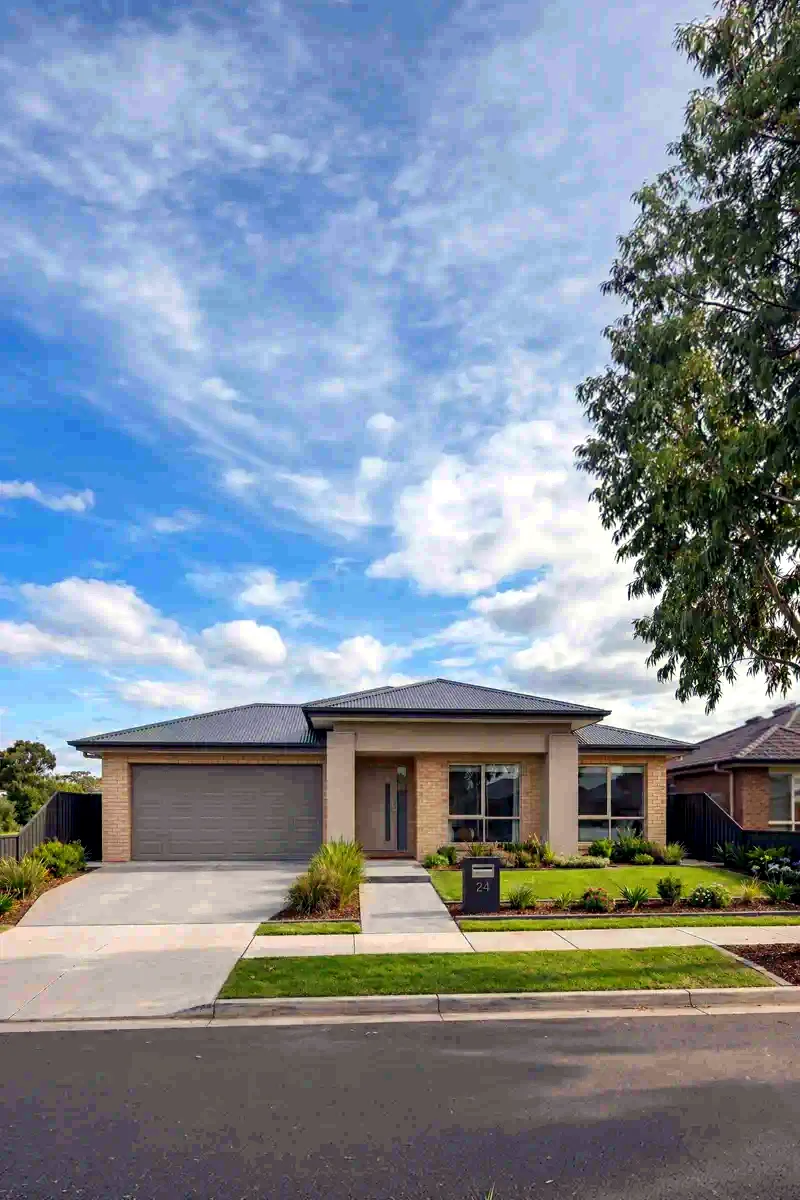
"I thought I had to choose between staying where we were and moving forward financially."
I now own an investment property, I've kept life stable for my kids, and for the first time since everything changed, I feel like I'm moving forward again.
38-year-old rebuilder, Kellyville NSWProperty, planning ahead
Investors
The Port Stephens clients wanted a property they could retire into later that would also work as an investment now, while they kept living and working in Sydney. The decision rested on one test: the house had to suit both jobs without compromising either.
Port Stephens, New South Wales
Buying for the future, while making it work today.
Clients: Sydney-based, buying a future retirement home. Phases: Clarity, Direction, Decision, Stability.
The challenge was not just buying an investment. It was making sure one purchase supported their lifestyle today and their plans for later.
We worked through their financial position, borrowing capacity and long-term goals to define what a good decision looked like at both ends of the timeline. That definition did the filtering: strong rentals that would never feel like home were ruled out, and so were lovely homes that would rent poorly.
With that plan in place, the choice became straightforward. They secured a property in a location that matches where they want to live, it was rented while they stayed in Sydney, and it showed early signs of growth within the first twelve months. One decision now serves both their current finances and their future lifestyle, with no need to restructure later.
How this planning works for investors is set out under property investment coaching, and the broader approach under property decision coaching.
Position at completion
A projection is not a result. Individual circumstances and results vary. General information only, not financial advice.
Not every property decision is about what comes next. Sometimes it's about where you're going.
About these cases
Two fair questions
You should be sceptical of any case study. These are the two checks people ask about most.
Are these real clients?
Yes. Every case on this page is a real client of The Continuum Pathway, published with their agreement. Names are left out for privacy. Ages, locations and figures reflect each situation as it stood at the time. Nothing has been combined, invented or polished into a composite, and individual results will always vary.
Can I speak to a past client?
Past clients are private people, so their details are never passed on. If hearing from someone who has been through the process would help, ask during the quick chat and I can check whether a past client is happy to be contacted. Public Google reviews and the testimonials page are also open to read.
Your situation, not theirs
Book a quick chat
None of these clients started with a perfect plan. They started with a conversation. Yours can open with a free quick chat on video, around 15 minutes: you outline what you are weighing up, and together we see whether coaching would help.
You need no deposit or paperwork to book. If it fits, coaching is a set program: four sessions spread over eight weeks, $1,000 in total. If coaching would not help, you will hear that from me. Coaching is paid for directly, and any referral arrangement with another professional is disclosed before you decide.
What every case had in common
- Position worked out before any property
- Family members' risk understood, not assumed
- No pressure to buy, or to buy quickly
- A decision the client could explain afterwards
The Continuum Pathway provides coaching. It isn't counselling, psychology or a crisis service. If you need urgent support, call 000 or Lifeline on 13 11 14. General information only. It is not personal financial, legal or tax advice. Speak to a licensed professional about your circumstances.