I get asked about Box Hill more often than almost any other suburb in Sydney’s north-west right now. It shows up on growth-corridor shortlists, in buyers’ agent newsletters, in the comments under every “suburbs to watch in 2026” post. And every time someone asks me the question directly — “is Box Hill a good investment?” — I give them the same answer I’m about to give you. It isn’t a headline. It’s a spreadsheet.
So let’s actually open the spreadsheet.
Where Box Hill Actually Is, and Why It Keeps Coming Up
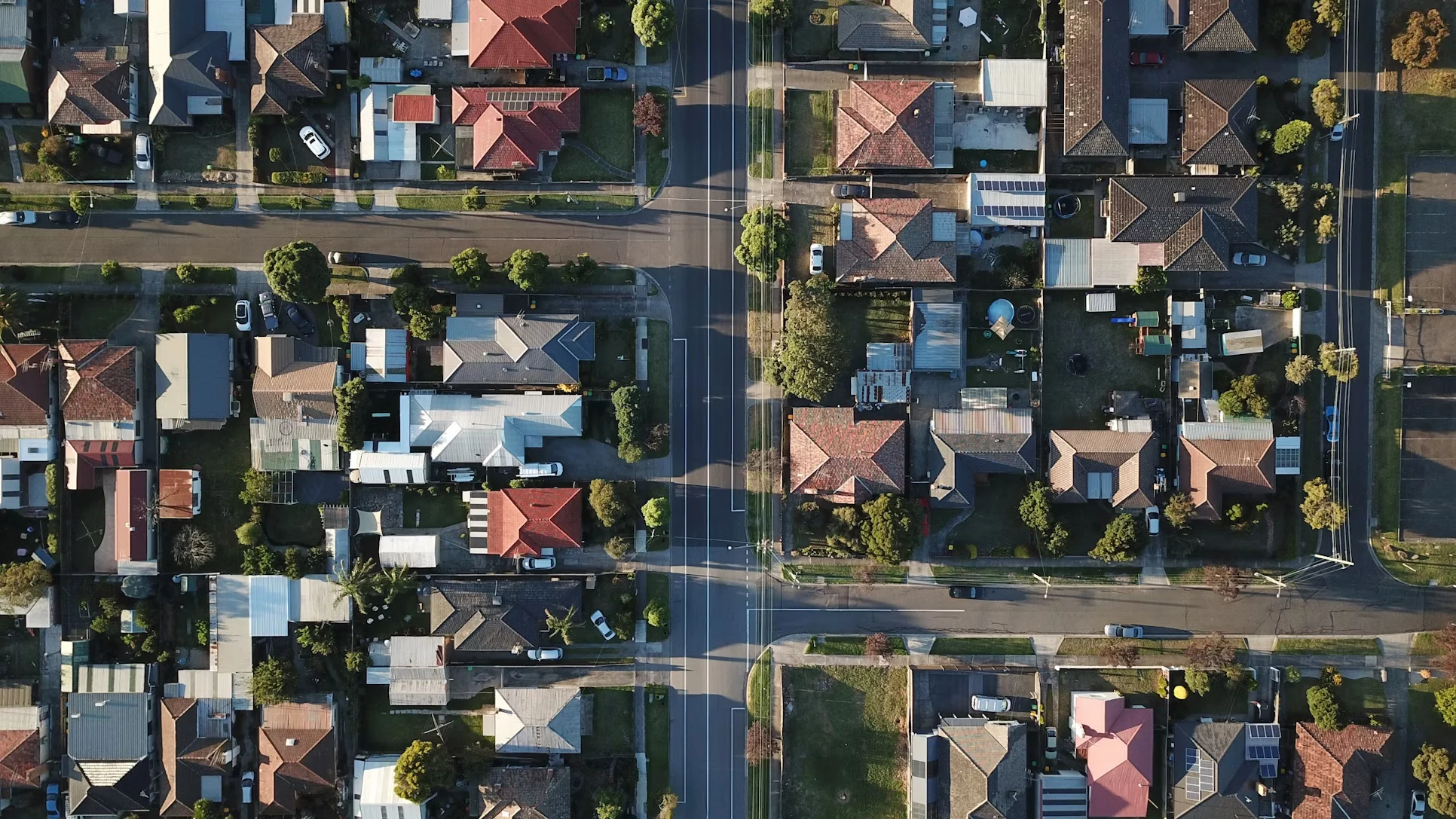
Box Hill sits in the Hills Shire Council area, roughly 45 kilometres north-west of the Sydney CBD, neighbouring Rouse Hill, Nelson, Vineyard, Gables and Grantham Farm. It’s part of the Northwest Priority Growth Area — one of the NSW Government’s designated release areas for new housing supply.
In 2018, the Box Hill and Box Hill Industrial Precinct Plan was formally adopted. It rezones almost 1,000 hectares of what was largely rural and semi-rural land for approximately 9,600 new homes and more than 29,700 residents at full build-out, along with one new town centre, three village centres, 133 hectares of employment land and 58 hectares of open space. That plan is not marketing, it is a gazetted government precinct plan, and the reason Box Hill is on every growth-corridor list. The demand story is real. It’s also not finished.
The Growth Story: What Has Been Driving Prices
The numbers back up the interest. Over the past 12 months, house values in Box Hill are up 8.8%. Over three years, 22%. Over five years, close to 59%. Over ten years, 27%. A blended estimate across the suburb puts the typical house value around $1.41 million, though the figure varies meaningfully by size: three-bedroom houses sold in the past year have a median around $1.16 million, four-bedroom around $1.25 million, and five-bedroom around $1.48 million.
That’s worth sitting with for a second. This is not an entry-level growth-corridor suburb. Even the smaller stock is asking well over a million dollars. Whatever else Box Hill is, it is not a cheap way into the market.
“The demand story is real. It’s also not finished.”
The Numbers Investors Skip Past
Growth headlines are easy to share. The numbers underneath them take a bit more sitting with, and they tell a more complicated story.
Gross rental yield on Box Hill houses currently sits around 2.5%, based on a median rent near $691 per week. Rent has grown 4.5% over the past year (a decent number on its own, but well behind the 8.8% price growth over the same period). That gap means the yield is compressing, not improving. If you’re buying today, the cashflow math has to work at that yield, not at some future, better one.
Vacancy is running at roughly 6.2%. For context, most agents and analysts treat somewhere around 2-3% as a balanced rental market. A vacancy rate double that is a real signal, not a rounding error, and it’s worth checking directly with a local property manager before you assume a quick let.
Stock is also sitting longer than you’d expect in a tight market. Inventory (essentially how many months it would take to sell through current listings at the current sales rate) sits at 4.37 months, above the roughly three-month mark considered balanced. Average days on market for four and five-bedroom houses is running at 61 to 67 days.
None of these numbers individually is alarming. Together, they describe a suburb where buyers are still paying up for the growth story, while the rental market and the resale market are both moving a little more slowly than a genuinely tight suburb would. That combination is worth naming plainly, not glossing over.
Infrastructure: What Is Funded, What Is Aspirational
The precinct rezoning itself is confirmed and government-adopted and that part of the growth story is not speculation. But one thing gets assumed about Box Hill that isn’t currently true: it does not have, and is not currently funded for, its own metro or train station.
Residents reach the Sydney Metro Northwest network by bus or car via Rouse Hill or Tallawong stations. For the pocket of Box Hill closest to Rouse Hill Town Centre, that’s roughly a five-minute drive; for buyers deeper into the precinct, it will be longer. Interestingly, in early planning around 2001, Box Hill itself was actually pencilled in as a future metro stop, before the alignment shifted west via Tallawong toward Schofields and Marsden Park around 2012. So a Box Hill station has been “nearly happened” once before, and it isn’t impossible a future extension revisits the corridor — but there is no funded commitment to build one today. If part of your investment case rests on “it’ll get a station eventually,” that’s a hope, not a plan.
The town centre, village centres, new schools and employment land are being delivered in stages, not all at once. Two houses can sit inside the same Box Hill postcode and be at very different points in that build-out; one near a completed village centre, another in a pocket still transitioning out of rural zoning. It’s worth confirming exactly which stage your specific street sits in, rather than assuming the whole 9,600-home masterplan is already live.
Who Box Hill Suits and Who It Does Not
Box Hill tends to suit buyers chasing a government-endorsed growth corridor who can comfortably hold a lower-yield property while the precinct matures, and who are genuinely working to a 10-year-plus timeframe; long enough for the town centre, schools and employment land to actually deliver rather than remain a plan on paper.
It tends not to suit investors who need the rental numbers to work today. At a 2.5% gross yield, the holding cost after interest is likely to be significant unless you’re buying meaningfully under the median or your finance structure is specifically built for a lower-yield, growth-focused hold. It’s also not the suburb for buyers assuming the full masterplan is already delivered as much of it is still staged, and current on-the-ground amenity may not match what’s promised.
What Stacks Up / What to Weigh
What Stacks Up
- ✓ A formally gazetted precinct plan already locking in around 9,600 homes, a town centre, three village centres and 133 hectares of employment land — not a speculative “maybe” corridor.
- ✓ Sustained 12-month growth of 8.8%, and 58.6% over five years — a multi-year pattern, not a one-off spike.
- ✓ As little as a five-minute drive to Rouse Hill Town Centre and its Sydney Metro Northwest station, for buyers in the Rouse Hill-adjacent pocket of the suburb.
- ✓ Established local schools already operating — Box Hill Public School and Box Hill High School — ahead of the full precinct build-out.
- ✓ A genuine, committed employment-land allocation (133 hectares), not just rezoned housing with no local jobs base.
What to Weigh
- ! Gross yield of roughly 2.5%, with rent growth (4.5%) running well behind price growth (8.8%) means the yield gap is compressing, not improving.
- ! Vacancy of 6.2% is elevated for a Sydney metro suburb and should be checked directly against current property manager feedback before you commit.
- ! Inventory of 4.37 months and days on market above 60 signal more stock sitting on market than in a genuinely tight suburb — it would be wise to verify current absorption before assuming a fast resale.
- ! No funded metro or train station within Box Hill itself; access depends on bus or car to Rouse Hill or Tallawong.
- ! Precinct delivery is staged, so confirm exactly which stage your specific street or pocket has reached before assuming amenity that may still be years away.
- ! Entry price is not low: $1.15M to $1.48M depending on bed count makes this a considered, higher-capital hold, not a first-home-buyer or low-deposit play.
Our Honest Read
Box Hill’s growth has been real, and the government-adopted precinct plan gives it a foundation that most “hot suburb” lists don’t have. This isn’t a corridor built entirely on sentiment. But the same data that explains the growth also explains why the yield is thin and the vacancy rate isn’t tight. If you’re buying for a genuine 10-year-plus hold, comfortable funding a lower-yield asset while the precinct matures, and you verify exactly what infrastructure is built versus promised in your specific pocket, Box Hill is a defensible long-term growth play. If you need the numbers to work today, on rent alone, this is not that suburb and no amount of masterplan enthusiasm changes that math.
Frequently Asked Questions
Does Box Hill NSW have a train station?
No. There is no metro or train station within Box Hill itself, and none is currently funded. Residents use bus or car access to the Sydney Metro Northwest line at Rouse Hill or Tallawong. Box Hill was actually considered for a station in early-2000s planning before the line’s alignment shifted west toward Tallawong, Schofields and Marsden Park around 2012 — so it isn’t impossible a future extension revisits the area, but there is no committed timeline.
What is the median house price in Box Hill NSW?
It depends which slice of the market you’re looking at. Across houses sold in the past 12 months, the median sits around $1.16 million for three-bedroom homes, $1.25 million for four-bedroom, and $1.48 million for five-bedroom. A broader blended estimate across the suburb sits closer to $1.41 million.
Is Box Hill NSW oversupplied?
The data shows signals worth watching rather than a settled verdict. A 6.2% vacancy rate and 4.37 months of inventory both sit above what’s generally considered a balanced market — roughly 2-3% vacancy and around three months of inventory. Given the precinct is still being built out with thousands more approved homes to come, supply is a genuine watch item, and worth reassessing as each new stage releases.
What rental yield can I expect on a Box Hill investment property?
Around 2.5% gross on houses, based on a median house value near $1.41 million and median rent of $691 per week. That’s low by investment standards, and it means your holding cost after interest is likely to be meaningful unless you buy well under median or structure your finance specifically for a lower-yield, growth-focused hold.
Is Box Hill a good suburb for first home buyers?
The price point makes it a stretch for most first home buyers without a significant deposit or guarantor support — houses start around $1.15 million. It suits established buyers and long-term investors more than it suits an entry-level first purchase.
Related Reading
Rentvesting: Why “I Can’t Afford to Buy Here” Doesn’t Mean What You Think It Does
Analysis Paralysis: When Doing the Work Becomes the Reason You Don’t Move
The Townhouse Stigma: Why the ‘Houses Are Better’ Rule Is Breaking Down in New Estates
Why Smart People Make Bad Property Decisions
Sources & references
The following sources are relevant to the content covered in this article.
HtAG Analytics — Box Hill, NSW 2765 Property Market and House Prices (2026)
Domain — Box Hill NSW 2765 Suburb Profile and Market Trends (2026)
NSW Department of Planning, Housing and Infrastructure — Box Hill and Box Hill Industrial Precinct Plan (2023)
The Hills Shire Council — Box Hill and Box Hill Industrial Development Control Plan (2018)
Sydney Metro — Rouse Hill and Tallawong metro station information
The Urban Developer — Box Hill precinct development coverage (2026)
Disclaimer
This article is for general informational and educational purposes only. It does not constitute financial, legal or investment advice. Individual circumstances vary significantly. Property market figures change frequently and vary between data providers — verify all figures independently, including directly with a local property manager and the relevant council precinct plan, before making any investment decision. Always seek independent legal, financial and tax advice. Aimee Templeman is a Police Superintendent, licensed real estate agent, and founder of The Continuum Pathway. She has spent 27 years making high-stakes decisions under pressure and helping people cut through marketing spin to see what a property, and the numbers behind it, actually say. Her coaching practice works entirely on your side of the table. Book a conversation with Aimee at Contact.